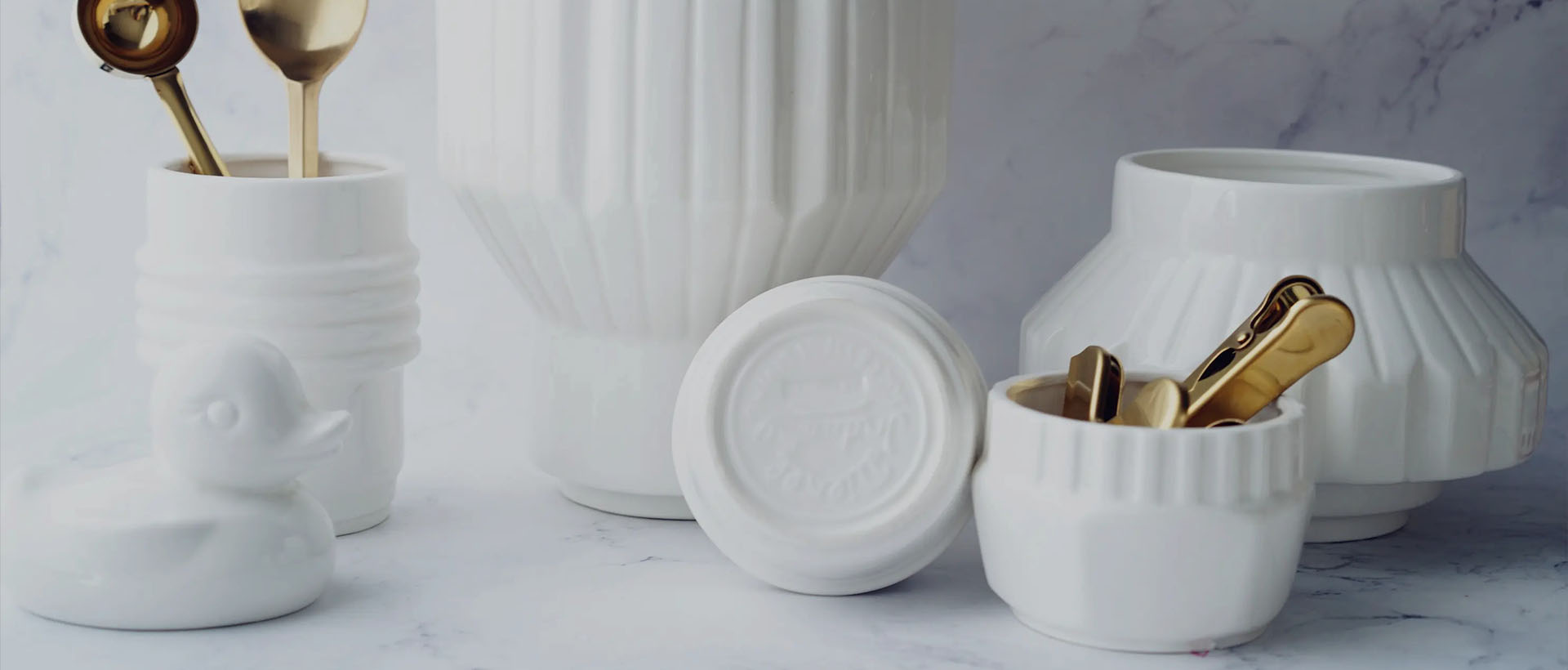
• Ceramic

    In the ceramic industry, talc powder is an important raw material. It can reduce the firing temperature of ceramics and save energy costs. At the same time, talc powder can also improve the mechanical properties of ceramics, such as increasing the strength and toughness of ceramics. Due to its good electrical insulation performance, talc powder is also widely used in the manufacture of electrical porcelain. In addition, talc powder can endow ceramic products with good whiteness and transparency, making them have higher decorative and aesthetic value.


  • Paints

    In paints, talc powder mainly plays the roles of filling, thickening, and improving the leveling property of paints. It can enhance the hiding power and weather resistance of paints, making the paint coating more uniform, smooth, and firm. In addition, talc powder can also reduce the cost of paints without affecting the quality and performance of paints. In some anti-corrosive paints, the addition of talc powder can enhance the anti-corrosive performance of paints and prolong the service life of metal structures. In the field of coatings, talc powder also plays an important role. It can increase the adhesion and scrub resistance of coatings and improve the hiding power and whiteness of coatings. In water-based coatings, talc powder can improve the suspension stability of coatings and prevent coatings from settling and stratifying. In architectural coatings, the use of talc powder can make the wall surface more flat and smooth and improve the decorative effect.

  • Rubber

    For the rubber industry, talc powder is an effective filler and parting agent. Adding talc powder to rubber products can increase the hardness, tensile strength, and wear resistance of rubber. At the same time, talc powder can reduce the internal friction between rubber molecules and improve the vulcanization efficiency of rubber and the physical properties of vulcanized rubber. In tire manufacturing, talc powder can improve the wet skid resistance of tires and reduce rolling resistance, thereby improving the safety and energy saving of tires.

  • Plastics

    Talc powder is an excellent filler and reinforcing agent in plastics. It can improve the rigidity, heat resistance and dimensional stability of plastics. For example, adding an appropriate amount of talc powder to polypropylene (PP) can significantly enhance its tensile strength and flexural modulus, while reducing the molding shrinkage rate and making the size of plastic products more stable. In addition, talc powder can also improve the surface glossiness of plastics and enhance the appearance quality of plastic products. In polyethylene (PE), the addition of talc powder helps to improve its chemical resistance and weather resistance and prolong the service life of plastic products.

联系微信